My parents charged me $1,500 a month to sleep in the basement while my brother lived upstairs for free. At dinner, Mom said, “He’s our son. You’re just helping with expenses.” Dad added, “If you don’t like it, move.” I did. Thirty days later, Mom called 14 times. Her first text: “Why did the mortgage double?”
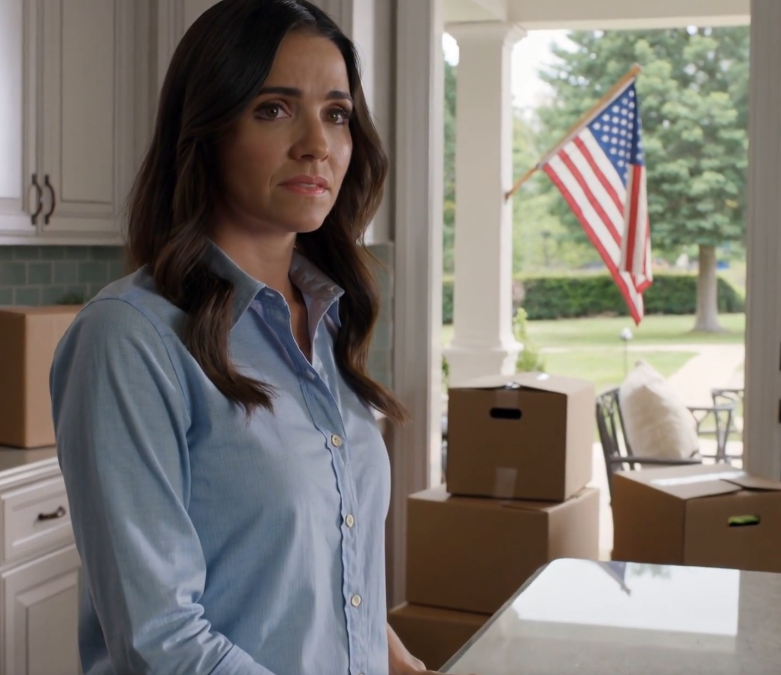
At Mother’s Day dinner, I asked why I paid $1,500 a month for the basement while my brother, his wife, and their two kids had the entire upstairs for free.
My mother didn’t even look up.
“He’s our son. You’re just helping with expenses.”
My father pointed toward the basement stairs. “If you don’t like it, move.”
Nobody thought I would.
I left my key on the kitchen counter.
Thirty days later, I woke up to fourteen missed calls and a text from my mother.
“Why did the mortgage double?”
My father had been sitting beside her when she sent it. He thought she was asking me a question. She wasn’t.
I didn’t call back. Instead, I opened her second text.
By morning, the man who had told me to leave was calling me himself, and it wasn’t about dinner.
My name is Virginia Davidson. I’m thirty-three years old. Before I tell you what happened next, please like and subscribe, but only if this story speaks to you. Drop a comment and tell me where you’re watching from and what time it is there.
To understand that text, you have to understand the room I was paying for.
My bedroom was in the basement of my parents’ house in Canton, Michigan. It was a big, two-story Colonial on a quiet street lined with basketball hoops and flag holders. The basement bedroom had carpet laid over concrete, a tiny bathroom with a shower stall, and one egress window that looked straight into a window well full of dead leaves.
I bought a dehumidifier during my first week there. It ran day and night, producing a low, steady hum that I eventually stopped hearing. The laundry room was right outside my door, and my mother liked to start the washing machine at six in the morning.
On the last day of every month, I sent her $1,500 through Zelle.
The first time I made the payment, she stood in the kitchen and watched me do it.
“Put ‘house’ in the memo, sweetheart, so I can keep track. And always before the first.”
So I did. Twenty-four times, I typed that one word.
I never once asked what she was keeping track of.
Upstairs was an entirely different house. My older brother, Brett, lived there with his wife, Ashley, and their two children, Lily and Owen. They had three bedrooms and a bonus room with a seventy-five-inch television. When the kids laughed, I could hear them through the heating vents.
The garage had two parking spaces. One belonged to my father, and the other belonged to Brett. I parked on the street. Every winter morning, I stood beside my car in the dark with an ice scraper, clearing the windshield before heading off to see my first patient.
On the refrigerator, beneath a magnet shaped like Michigan, hung our family’s Christmas card from 2024.
The Davidsons. Home Sweet Home.
Mom, Dad, Brett, Ashley, and the kids were all standing on the front steps in matching red sweaters.
Everyone except me.
They had scheduled the photograph for a Saturday when I was working.
“We’ll get you in next year, honey,” Mom said when I noticed.
I was the only person in that house paying rent, and the only person missing from the refrigerator.
My father, Curtis Davidson, was a floor foreman at a metal stamping plant in Romulus. He had worked there for most of my life, and he ran our family the same way he ran his shift: early, loud, and absolutely certain of himself.
He drank his coffee from a mug that said “World’s Best Dad,” and he believed completely that nothing happened in his house without his knowing about it.
One morning that April, his phone buzzed on the kitchen counter while he was buttering his toast. He glanced at the screen and grunted.
“Forty-two bucks at the gas station. Your mother.”
He tapped the screen as though he were showing me a trophy.
“Every dollar that leaves that account, I get a ping. Nothing gets past me.”
Then he repeated the rule he had lived by ever since the year he lost his job.
“Never a payment you can’t make on one paycheck.”
I nodded and rinsed my coffee cup.
I should have noticed something that morning. In two years, my money had never once made his phone buzz. Not a single time.
I thought that meant it was too small to matter.
I should probably explain how a woman with a steady job and a college degree ended up paying $1,500 a month for a room underground.
It started long before the basement.
In May 2014, I finished my dental hygiene program. I was twenty-two years old. The school held a pinning ceremony in an auditorium that smelled like floor wax, and I saved two seats for my parents in the third row.
I could see them from the stage when the program began. By the time they called my name, Virginia Davidson, both seats were empty.
Mom texted me afterward. Brett’s landlord had let him out of his lease early, and he needed help moving that afternoon.
When I got home that night with my pin, she hugged me in the kitchen.
“We’re so proud of you. You always figure it out.”
Then she added a sentence I would hear for the rest of my life.
“Girls land on their feet. Boys fall through the floor.”
I took it as a compliment.
It took me eleven years to understand what it actually meant.
There was one more thing I saw before I understood any of it. It happened on Thanksgiving in 2019, when I was digging through my grandmother’s old tin recipe box, looking for her pierogi dough recipe.
Tucked behind the cabbage roll recipe was a yellowed envelope. Across the front, in Grandma Irene’s handwriting, were three words.
Ronnie. Rent.
Ronnie is my mother.
She took the envelope out of my hand before I could open it. Not roughly, just quickly.
“Grandma charged me rent when I was seventeen,” she said. “It made me strong. You girls have it easy.”
I knew my uncle Gary had lived in that same house for free until he was thirty-five.
I didn’t say anything.
Mom slid the envelope back behind the cabbage roll recipe as though it were something she still needed to keep handy.
Now, jump ahead to the spring of 2023.
I was thirty-one, renting a one-bedroom apartment in Ypsilanti for $1,225 a month and working at Six Mile Family Dental in Livonia. That spring, my landlord sent me a notice that my rent was increasing to $1,425.
The same week, my mother texted me.
It was Sunday, April 2. She and Dad were selling the house in Westland where I had grown up and buying something bigger in Canton. Brett had been laid off from his job at a car dealership in January, and he, Ashley, and the kids were moving in until he got back on his feet.
Then came another message.
“There’s a whole basement. Come home. Save for your own place. We’ll figure out something small.”
It felt like being chosen.
After years of being the daughter who always figured things out, my mother finally wanted me home.
I never asked when she had made that decision.
They closed on the new house at the end of April. I moved in during the last week of May, and by the time I carried my final box downstairs, Brett’s family had already filled the second floor.
During that first week, Mom sat me down at the kitchen island with a cup of tea and a notepad she never actually wrote on.
“Fifteen hundred,” she said. “Everything’s included. Utilities, internet, groceries if you want them. Less than a stranger would charge you.”
I had been paying $1,225 in Ypsilanti for an apartment that didn’t have my family living in it.
She squeezed my hand.
“You’ll save on everything else, sweetheart. You’ll see.”
My math told me it was too much. Everything else inside me said that was an ugly thing to think about my own mother.
So I said yes.
They threw a housewarming party that June. Half the street came.
One of our neighbors, Tammy Kesler, was a realtor who lived three houses down. She had helped my parents find the place.
She stood on the deck with a glass of white wine, surveying the backyard as though it were one of her listings.
“Your mom had it all mapped out from day one,” she told me. “Smart woman.”
My father laughed from the grill.
“Don’t look at me. The plant was changing dies that whole week. I signed a paper at the kitchen table, and Ronnie signed for both of us. I just showed up with the truck.”
Everybody laughed.
So did I.
It was the most honest thing anyone said that entire summer.
The first two years consisted of a thousand little things.
The dishwasher died that first fall. A new one cost $620. Mom said Dad was stretched thin that month and asked whether I could just put it on my credit card.
I did.
She stuck the receipt to the refrigerator with a note that said, “Thanks, Jenny,” with a heart over the letter i.
That September, Brett started selling cars again at a new dealership. Owen needed a $400 deposit to hold his spot at daycare, just until Brett received his first paycheck.
His first paycheck came.
The $400 didn’t.
When my mother needed a dental crown, I booked her with the dentist I worked for and covered her copay.
What else was I supposed to do? Send my own mother a bill?
None of those things seemed like much on their own. That’s how it works. Nobody asks you for a thousand dollars all at once. They ask for small things, with a hand resting on your arm, and you say yes because saying no would be the thing they remembered.
There was one moment that should have bothered me more than it did.
It was the spring of 2024. I grabbed the mail on my way inside after work and dropped the stack on the kitchen counter.
Mom was on the phone. She took one look at the pile, reached across me, and pulled out a white envelope with a blue logo.
Lakeshore Home Loan Servicing.
“That’s escrow junk,” she said, tucking it under her arm. “I handle the house mail.”
My mother had never grabbed anything out of my hand before, not even the television remote.
I thought about it for a second.
Then the dryer buzzed, and I forgot about it.
Ashley was the only person in that house who ever came down the basement stairs just to talk to me. She was a pharmacy technician, practical and funny, the sort of person who noticed when you had skipped dinner.
One night in December 2023, she was folding the kids’ laundry on top of the dryer while I waited for the washing machine to finish.
She held up a pair of Owen’s dinosaur pajamas and sighed.
“At least you and I pay our way, right?”
I laughed.
I thought she meant the dishes, the laundry, and the fact that we were the two women in that house who actually cleaned up after dinner.
Then she added something more quietly.
“Brett says your mom gets weird if anyone talks money, so I don’t.”
She went upstairs before I could ask what she meant.
She hadn’t been talking about the dishes.
I’ve always kept a spreadsheet. It’s a habit I developed while paying off my student loans. One row per month, every dollar coming in and every dollar going out.
In December 2024, I sat on my bed and conducted my year-end review.
When I moved home, my goal had been to save $30,000 in two years, enough for a down payment on a small condominium.
I had $13,100.
There was a column in my spreadsheet that I had started calling Family Misc.
The dishwasher. The daycare deposit. The crown. A car battery for Brett. Birthday dinners I somehow always ended up paying for.
That column alone contained more than $6,000.
The following week at work, I mentioned it to Deb Ostroski, the hygienist who worked in the operatory next to mine.
Deb was fifty-one, blunt as a hammer, and the closest thing I had to a big sister.
She stopped rinsing her instruments.
“You pay what? For a basement?”
“Fifteen hundred.”
“My nephew rents a room in Livonia with his own bathroom for nine hundred.”
“It helps the house,” I said.
Deb slowly dried her hands.
“Which part of the house?”
I opened my mouth to answer and realized I didn’t know.
I had never seen a single bill.
Not one.
My brother had received a promotion in October 2024. He was now the finance manager at a big dealership in Novi.
Mom threw him a steak dinner and hung a paper banner across the dining room that read Congrats, Brett!
It stayed up for weeks.
A few days after that dinner, Brett pulled into the driveway in a brand-new leased pickup truck. It was black, with running boards so high that Owen needed someone to boost him up so he could climb inside.
Nobody asked whether Brett would start contributing anything.
Nobody asked whether I could stop.
In January, I was promoted to lead hygienist. I told my mother while she was unloading groceries.
“That’s nice, honey. Can you grab milk on your way home tomorrow? We’re almost out.”
I want to be fair to Brett because it’s easy to turn someone like him into a cartoon, and he wasn’t one.
He was charming. He was good with his kids. When he walked into a room, people relaxed. The layoff had embarrassed him in a way he never talked about, and when he got back on his feet, I think he genuinely believed he had done it all on his own.
But his phone never stopped buzzing.
Sports scores came in all day and half the night. Hockey, basketball, and soccer leagues in countries I didn’t even know had soccer leagues.
He would check his phone beneath the dinner table, and his jaw would tighten or relax depending on whatever he saw.
In March 2025, he came down to the basement and asked whether he could borrow $600 until payday. He said something about a registration renewal.
I sent him the money.
He never mentioned it again, and neither did I.
One night at dinner, Ashley said she wanted to start a savings account for the children.
Brett put his hand on her back.
“Don’t stress. I’ve got the house handled, Ash. Handled.”
It seemed like a strange word to use for something that was free.
On April 30, Brett announced that he was taking the whole family to Gulf Shores for a week in July. He had found a rental house just a short walk from the beach.
He passed his phone around the dinner table so everyone could admire the pictures.
Mom was glowing.
“You deserve it, sweetheart. You’ve worked so hard.”
That same night, I sat on the edge of my bed downstairs and sent my twenty-fourth transfer.
$1,500.
Memo: House.
I stared at the confirmation screen for a long time.
Mother’s Day was eleven days away.
I had decided to ask one question.
Mother’s Day fell on May 11 that year. I bought my mother roses and a $150 gift card to the spa she was always talking about but never actually visited.
Brett gave her a card with Best Mom Ever written across the front in gold lettering. He read it aloud at the table, and everybody clapped.
Mom opened my envelope, smiled, and said, “Oh, you shouldn’t have.”
Then she put it in the junk drawer beside the phone chargers.
Dad grilled chicken. Ashley made potato salad. The kids ran in and out through the sliding door until Ashley made them sit down.
Before we ate, Mom raised her wineglass.
She turned toward Brett as she made her toast.
“To this house. And to everyone who makes it work.”
I set down my fork.
I had practiced this. Not the exact words, but the tone I wanted to use. Not angry, not hurt. Just a question, the same way I would ask a patient whether they had been flossing.
“Mom, can I ask something?”
She was cutting her chicken.
“Mhm.”
“Why do I pay fifteen hundred a month for the basement when Brett, Ashley, and the kids have the whole upstairs for free?”
Across the table, Ashley stopped cutting Owen’s food.
“I’m not asking for a favor,” I continued. “I’m asking why.”
My mother didn’t look up. She kept cutting her chicken into small, neat pieces, her knife barely touching the plate.
“He’s our son. You’re just helping with expenses.”
I waited for someone to laugh, soften her words, or say that she hadn’t meant them the way they sounded.
My father’s phone buzzed beside his plate.
He ignored it.
Instead, he put down his fork, turned in his chair, and pointed past the kitchen toward the door that led down to the basement.
“If you don’t like it, move.”
The table went quiet in that particular way family dinner tables do, when everyone suddenly finds their food fascinating.
Brett reached for a dinner roll.
Lily asked whether she could have more lemonade.
Only Ashley looked at me. She had the expression of someone who wanted to say something she wasn’t allowed to say.
“Okay,” I said.
That was all.
“Okay.”
I finished my dinner. I didn’t rush, and I didn’t push my food around my plate. I ate my potato salad and my chicken.
When I was done, I carried my plate to the sink, rinsed it, and put it in the dishwasher I had paid for.
Behind me, Brett laughed.
Not meanly. It was the way someone laughs at a little kid who threatens to run away from home.
“Relax. She’ll be down there till she’s forty.”
Nobody told him to stop.
That night, around ten o’clock, someone knocked on my basement door.
My mother never came downstairs after dinner.
She was standing on the second step, with the laundry room light behind her and her arms folded across her cardigan.
“Your father didn’t mean it. He’s tired. You know how he gets.”
“I know.”
“Don’t do anything dramatic.”
She paused.
“We count on you.”
Then she went back upstairs.
I listened to her footsteps crossing the kitchen floor above my head.
Dad had told me to leave as though the words cost him nothing. He had said it in front of everyone and gone right back to eating his chicken.
So why had my mother come downstairs in the dark to take it back?
And why had she sounded scared?
The next morning, I told Deb what had happened.
I didn’t cry. I told her everything in order, the same way I would chart a patient’s medical history.
She listened with her arms crossed. When I finished, she remained quiet for a moment.
“There’s a one-bedroom opening in my building,” she finally said. “Second floor, big window, covered parking. It’s thirteen fifty.”
“Thirteen fifty?”
“A whole apartment, Jenny. With a window that faces the sky.”
I toured it on my lunch break that Monday.
It was in Plymouth, ten minutes from my parents’ house and fifteen minutes from work. It had old hardwood floors, a galley kitchen, and a living room window so large that the afternoon light reached all the way to the back wall.
The previous tenant was already gone, and the landlord said I could have the keys by the end of the month.
I signed the lease on Tuesday.
$1,350.
That was $150 less than I had been paying for the basement, and I was getting an entire apartment with its own kitchen, its own front door, and a carport.
I would never have to scrape ice off my windshield in the dark again.
I did the subtraction twice.
Then I wondered why I had never done it before.
That evening, I sent the same text to both my parents. I also left a handwritten note on the kitchen counter because I didn’t want there to be any confusion later about what I had said or when I had said it.
“I’m moving out on Saturday, May 31. The payment I sent on April 30 covered May, so that was my last one. Thank you for letting me stay.”
My father answered in about a minute.
“Good for you, kiddo. Proud of you.”
My mother didn’t answer at all.
Not that night. Not the next day.
When I came upstairs for coffee the following morning, the note had disappeared from the counter, and she had already left for work.
Dad was proud.
Mom was silent.
They couldn’t possibly both be reacting to the same news.
That Sunday, I was downstairs transferring a load of laundry from the washer to the dryer when my mother came down the steps.
She waited until the dryer was running. Then she moved close enough that I could smell her hand lotion.
“What if you paid a thousand?” she asked quietly. “Just between us. Don’t tell your father I offered.”
I straightened up.
“Why would Dad mind if you charged me less?”
Something crossed her face for just a second.
“Just don’t.”
“I already signed a lease, Mom.”
She looked at the dryer as though it had personally betrayed her, then turned and went back upstairs.
My mother had never negotiated anything in her life. She named a price, and you paid it.
And in thirty-three years, she had never once asked me to keep a secret from my father.
Moving day was Saturday, May 31.
Deb and her husband, Hank, arrived at eight that morning with Hank’s pickup truck and a rented cargo van.
Brett was at work. Saturdays were his busiest days at the dealership.
Dad carried one box up the stairs, put it in the van, and told me he had promised a buddy he would go fishing.
Mom stayed in her bedroom with the door shut.
Ashley helped me carry my mattress up the basement stairs. We both started laughing when it got stuck at the turn.
When we finally reached the top, she leaned against the doorframe to catch her breath.
“At least one of us is getting out.”
She said it like a joke.
She didn’t smile.
Lily came running out of the house just as Hank was closing the van. She pushed a piece of paper, folded into quarters, into my hands.
It was a crayon drawing of my basement bedroom. She had drawn my bed, my lamp, and even the dehumidifier, which appeared as a gray box with squiggly lines coming out of it.
And in the little window near the ceiling, she had drawn an enormous yellow sun.
“Your window doesn’t have a sun,” she explained. “So I made one.”
I almost stayed.
I want to be honest about that.
For about five seconds, standing in that driveway, I almost carried everything back downstairs.
Instead, I hugged her.
Then I went back inside and placed my house key on the kitchen counter, in the exact spot where I had left my note.
Before I pulled away, I did one more thing.
I opened the settings on my phone and disabled the option that allowed repeated calls to break through sleep mode.
My mother had developed a habit, going all the way back to my college days, of calling over and over again until I picked up.
I didn’t want to be reached that way anymore.
I was halfway to Plymouth when my phone lit up.
It was a text from her.
“The basement will be here when you come to your senses.”
She wasn’t saying goodbye.
She was scheduling my return.
Let me pause here for a moment. If you’ve ever paid, in money or in some other way, just to be treated like you belonged in your own family, I’d really like to hear about it in the comments. I read them.
And stay with me, because my mother was right about one thing.
She did need me to come back.
Just not for the reason anyone thought.
The first month in my new apartment was the quietest month of my adult life.
Deb brought over a pothos in a ceramic pot and placed it on my windowsill.
“First rule of your own place. Nobody else’s emergencies.”
I taped Lily’s drawing to my refrigerator. In the mornings, the real sun came through my living room window and fell directly onto it.
On my first payday in June, I opened a new savings account and named it Mine.
I transferred $650 into it, approximately what I used to lose every month to the Family Misc. column in my spreadsheet.
The money just sat there, untouched.
That was new.
May 31 had come and gone without a transfer. So had June 1.
Nobody said a word.
In my family, silence about money never meant nobody was counting.
The texts started about a week after I moved.
On June 7, Mom wrote, “Owen asked where you went.”
On June 12, Brett sent me a message. “Mom’s stressed. Hope your new place is worth it.”
Then, on June 14, Mom texted again.
“Basement smells like mildew. You took the dehumidifier?”
I had. I had paid $260 for it the week I moved in. It was sitting unplugged in the bathroom closet of my new apartment because my new apartment didn’t need it.
I didn’t answer that message, but I read Brett’s text several times.
Brett knew Mom was stressed.
I wondered what he thought she was stressed about.
Father’s Day was June 15. I drove over with a card and a fishing lure I had picked out at the sporting goods store. It was a silver spoon with a red stripe, the same kind my father had once told me caught him the biggest walleye of his life.
He turned it over in his big hands and grinned.
“Look at that. Good girl.”
He hung it on the pegboard in the garage while I watched. Then he wiped his hands on a rag and nodded toward the house.
“Your mother says the grocery budget’s been tight since you left. Guess you were covering more than your share of the milk, huh?”
He laughed.
I didn’t know what he meant, so I laughed, too.
It was one of those sentences I filed away without understanding why.
Later, when I went into the pantry for a serving spoon, my mother followed me inside and pulled the door almost completely shut behind her.
“One more month,” she said. “Just July. Think of it as a gift to your father.”
“Does Dad know you’re asking?”
Her eyes darted toward the door.
“Keep your voice down.”
That was answer enough.
On June 25, I was on my lunch break when a notification appeared on my phone.
Rhonda Davidson has requested $1,500.
The memo said, July house.
I looked at it long enough that Deb asked whether I was okay.
Then I pressed Decline.
It was a small button.
It felt like setting down something heavy.
For five days after that, there was nothing. No texts, no calls, not even a photograph of the kids.
Then came Monday night.
I go to bed early during the workweek. My first patient is scheduled for 7:30, and I like to be the first person in the office.
That Monday, June 30, I was asleep by 9:30. My phone was lying face down on the nightstand in sleep mode.
When I picked it up at a quarter to six the next morning, the screen was full of notifications.
Fourteen missed calls.
Every single one was from my mother.
The first call had come at 9:53 the previous evening, and the last at 12:31 that morning.
Since moving day, repeated calls could no longer break through sleep mode. Not one of them had made a sound.
There were also two text messages.
The first had been sent at 9:51 p.m.
“Why did the mortgage double?”
I sat up in bed and read it three times.
Then I opened the second message.
It had arrived at 11:48.
“Don’t discuss numbers with your father. Call me.”
The first text was a question.
The second was an instruction.
They had been sent almost two hours apart, as though they were intended for two different audiences.
I didn’t call back.
Instead, I got dressed, drove to work, and sat in the parking lot behind the practice with a cup of coffee I never drank, trying to do math without having the numbers.
Doubled.
Doubled from what?
I had paid for that house twenty-four times, and I had absolutely no idea what the house actually cost.
I didn’t know the balance. I didn’t know the monthly payment. I didn’t even know the lender’s name, except for the blue logo I remembered seeing on the envelope my mother had pulled out of my hand.
And why would my father be the one person who couldn’t hear the numbers?
It was his house.
He was the man who received a notification for every dollar.
At 6:40, my phone lit up again.
This time, the screen said Dad.
My father had never called me before seven in the morning in my entire life.
“Jenny.”
He sounded as though he hadn’t slept.
Behind him, I could hear the shift horn at the plant, the long, flat blast that signaled the start of the first shift.
“You up?”
“I’m at work. What’s going on?”
“Twenty-nine fifty left the joint account last night.”
He said the number carefully, as though it might explode in his hand.
“Marked mortgage. I was sitting right next to your mother on the couch when my phone went off. Tigers were on. I asked her what the hell that was. She said the loan company raised it. Then she picked up her phone and texted you right there in front of me. Said you’d know why.”
He thought she had been asking me a question.
She hadn’t.
I kept my voice even.
“Dad, what do you think the mortgage is?”
“Fourteen fifty. Always has been.”
The coffee in my cup had gone cold. I stared at the thin film forming across its surface.
“Then where did you think my fifteen hundred went?”
“Groceries,” he answered. “Utilities. Seven people in that house, Jenny. That’s a lot of milk. Your mother said you insisted on chipping in.”
I closed my eyes.
For two years, my father had believed I was living in his basement for free and voluntarily helping with groceries out of the goodness of my heart.
When I asked why I was paying $1,500 for the basement at Mother’s Day dinner, he had heard his daughter complaining about grocery money.
There was a long silence on the line.
The shift horn sounded again, farther away this time.
“Every month for two years,” I finally said, “I sent Mom fifteen hundred dollars. The memo said ‘house’ every single time. Twenty-four times.”
He didn’t say anything for a while.
“Send me that.”
“Okay.”
“I need to talk to your mother.”
He hung up.
I was still holding the phone when it buzzed again, maybe thirty seconds later.
It was Mom.
“What did you tell him?”
Not Are you okay?
Not I’m sorry.
Not even a question about the money.
Just What did you tell him?
On my lunch break, I sat in my car and exported my Zelle transaction history as a PDF.
It fit on one page.
Twenty-four rows. The same recipient, the same amount, and the same one-word memo.
I added everything up because I’m the kind of person who needs to see a number rather than simply know it.
$36,000.
Then I did the calculation my father had never done.
He believed the mortgage payment was $1,450. The alert on his phone had shown $2,950.
The difference was $1,500.
Exactly $1,500.
My money had never been grocery money. It hadn’t been helping with ordinary household expenses.
It had been covering more than half the mortgage.
I sent my father the PDF. My own financial statement, nothing else.
No commentary. No speech.
He could read.
That night, my mother called.
This time, I answered.
She didn’t say hello.
“I told your father you offered. That’s what happened. You offered, and I let you because you wanted to help.”
Her voice was tight.
“You never once said no, Virginia.”
“Not saying no isn’t the same as offering.”
“Don’t do that. Don’t talk to me like I’m one of your patients.”
Her voice cracked, then recovered within the same breath.
“He slept in the recliner. He won’t look at me. All you have to do is tell him you wanted to help. Back me up. Just this once.”
Just this once.
As though I had spent the last two years doing anything else.
“I won’t lie for you,” I said. “And I won’t lie about you.”
There was a long pause.
“Then don’t bother coming to Lily’s party.”
She hung up.
Lily’s eighth birthday was in August. I had attended every one of her birthdays since the day she was born.
I sat on my kitchen floor with my back against the cabinets and stared at the drawing on my refrigerator until the light in the room changed.
The next afternoon, my father did something I don’t think he had done in sixteen years.
He called the loan company himself.
His name was on the loan, so they spoke to him.
Then he sent me a text.
“Called the loan company myself. Twenty-two fifty since the first payment.”
Since the first payment.
Two years of believing the mortgage was $1,450, and not one of those payments had ever been that amount.
I showed the text to Deb in the break room.
She read it, handed my phone back, and let out a slow breath.
“So your mother wasn’t asking why it doubled,” she said. “She was asking why it showed.”
That Sunday, my mother went public.
Or as public as anything gets in my family.
We have a family group chat called Davidson Family. Twenty-two people belong to it: aunts, uncles, cousins, a couple of in-laws, and one great-uncle in Florida who only posts about the weather.
On Sunday morning, my mother sent a message to everyone.
“Please keep us in your prayers. Virginia moved out without warning and left us with bills we took on for her.”
By lunchtime, the message had received eleven praying-hands emojis.
I didn’t respond.
Arguing in a family group chat is like arguing in a hallway. Everyone hears it, nobody remembers who started it, and somehow you’re the one who ends up looking loud.
That afternoon, my aunt Lorraine messaged me privately.
Lorraine is my father’s older sister, a retired hairdresser who still cuts half the family’s hair in her kitchen. She has never once in her life pretended not to notice something.
“Is that true, honey?”
I didn’t write a paragraph.
I didn’t explain.
I sent her one thing: a screenshot of the text I had sent both my parents on May 13, eighteen days before I moved out.
A few minutes later, she responded.
“Okay, then. Your father doesn’t read that chat. He never has. He’ll hear it from me.”
The following Sunday, I did something I had been putting off.
I started untangling myself.
I logged out of the family streaming account. I removed my credit card from the grocery delivery app my mother used.
Then I opened the shared notes folder she had created during the summer I moved in.
It was called House.
She kept everything in there: the Wi-Fi password, the trash collection schedule, the kids’ allergy lists, and about sixty other things.
Before leaving the folder, I scrolled all the way to the bottom.
I was looking for a note I had made during my first week in the basement. I had written down the measurements of my bedroom so I could order a bed frame.
I wanted to keep it. One last small piece of that room.
The notes were sorted according to the last time they had been edited.
At the very bottom, beneath my measurements, was a note I had never seen before.
It was titled Rooms Plan.
Created March 14, 2023.
I stared at the date.
March 14.
My mother’s text inviting me to come home had arrived on April 2.
Nineteen days later.
I opened the note.
It contained four lines.
Upstairs: Brett, Ash, and kids. Free till back on feet.
Basement: Virginia. $1,500.
Curt: $1,450. Keep it simple.
And beneath those three lines, in parentheses, was one final sentence.
She won’t say no.
I sat down on my kitchen floor.
Not dramatically. My legs simply decided for me.
Come home.
Save for your own place.
Less than a stranger would charge you.
We count on you.
All of it had been decided before she ever sent me that first text.
The room. The price. What my father would be told.
And the one thing she had been absolutely certain about, the thing she hadn’t even bothered writing as a complete sentence because it was so obvious to her.
I hadn’t been invited home.
I had been budgeted.
And she had been right.
That was the part that hurt the most.
In two years, I had never once said no.
I exported the note as a PDF and printed it at the library the next day.
I didn’t send it to my father.
I didn’t send it to anyone.
I put it in a folder in my kitchen drawer and left it there.
Some truths you send.
Some you have to survive first.
I want to stop here for a second because I genuinely want to know what you would have done. Would you have sent that note to your father that very same night, or would you have waited the way I did?
Tell me in the comments. There’s no wrong answer.
Some days, I’m still not sure I made the right decision.
Around that same time, my father texted me. It was the first thing he had said to me since calling the loan company.
“Told your mother if that room’s worth fifteen hundred, rent it to somebody who isn’t family.”
She tried.
Brett, Ashley, and the kids had left for Gulf Shores that weekend.
On Monday, Deb walked into my operatory holding out her phone as though it were hot.
She belonged to a local rentals group online because of her nephew. There, between an advertisement for a lawn service and a listing from someone selling a crib, was my old room.
Furnished basement bedroom. Private bath. Canton. Quiet family home. $1,500 a month.
The photographs showed my basement bedroom.
With the dehumidifier gone, a gray stain had started spreading in the corner beside the window well.
Nobody responded to the listing.
A few days later, my mother dropped the price to $1,100.
A couple of people commented.
One wrote, “$1,500 for a basement with a shared kitchen, lol.”
Another comment came from a name I recognized.
“Ronnie, call me. Tammy Kesler.”
A few days after that, the advertised rent dropped to $950.
That night, Deb checked the listing again. Three people had commented, asking whether the room was still available.
By the following morning, the post was gone.
It had taken the rental market ten days to tell my mother what that room was worth.
I had been paying $550 more than that amount every month for two years.
About a week after the Gulf Shores trip, Ashley texted me.
I learned later what had prompted her message.
During the drive home from Alabama, Brett had asked her to send him $900 toward the beach rental.
Before they left, he had told her his bonus had covered the entire trip.
Her message was short.
“Can I ask you something weird? Did your mom ever talk to you about what Brett and I pay her?”
I wrote back with the only truthful answer I had.
“She’s always said you don’t pay anything.”
Three dots appeared beneath my message.
Then they disappeared.
Then they appeared again.
Then nothing.
The following day, there was an envelope in my mailbox. My name and address were written in purple marker, in handwriting I immediately recognized.
Inside was a folded piece of construction paper covered in stickers.
You are invited to Lily’s eighth birthday. Saturday, August 9.
You have to come, Aunt Jenny.
On the back, in an adult’s handwriting, Ashley had added two words.
She insisted.
Then another sentence.
So do I.
On August 5, my father called.
“Lorraine showed me what your mother posted.”
No hello.
Just those words.
“In that chat. Without warning.”
He went quiet for a moment.
“I answered your text myself, Jenny. I told you I was proud of you.”
“I know, Dad.”
“Your mother says a lot of things lately.”
Another pause.
I could hear him breathing through his nose, the way he always does when he’s trying to hold something down.
“Lily’s party is Saturday. You’re coming.”
“Mom told me not to.”
“It’s not your mother’s party.”
Then, after another moment, he added something else.
“Bring whatever else you’ve got. I’ll look at it after the cake.”
Whatever else.
He knew there was more.
He just didn’t know what.
Lily’s birthday party was held in my parents’ backyard.
There was a bounce house shaped like a castle, a folding table stacked with a tower of pink cupcakes, and a banner hanging across the deck railing.
Happy Eighth Birthday, Lily!
Kids from her class were everywhere, shrieking and running around barefoot. A few parents stood near the bounce house holding drinks, watching the children with only half their attention.
I came in through the side gate with a gift bag in one hand and a canvas tote over my shoulder.
Inside the tote was a manila folder.
Lily saw me first. She came running across the grass and crashed into my legs. Owen followed right behind her.
Then I looked up and saw my mother standing on the deck with a pitcher of lemonade.
She came down the steps and stopped a few feet away.
“I didn’t think you’d come.”
“Lily invited me.”
Across the yard, my father was standing beside the grill with a spatula in his hand. He looked at the tote bag hanging from my shoulder, then at my face.
He nodded once.
Brett was standing beside the cooler. He met my eyes and immediately looked away.
He had taken the entire day off for his daughter’s birthday, which I didn’t think he had ever done for anything of mine. He looked like a man who hadn’t slept much in two weeks.
For about an hour, it was simply a birthday party.
We ate hot dogs. Lily opened her presents. Aunt Lorraine, who had driven over from Livonia, told me my hair needed a trim and that I looked better than she had seen me look in years.
Tammy Kesler came with her granddaughter Addie, who was in Lily’s class. She settled into a chair on the deck with a plastic cup of lemonade.
When the children went back into the bounce house, the adults gradually drifted toward the big table on the deck.
My mother, my father, Brett, Ashley, Aunt Lorraine, Tammy, and me at the end.
Lorraine was the one who started it.
I don’t think she had planned to. She simply asked the question she had been holding on to for a month.
“So, how are you managing, Ronnie? Since Virginia moved?”
My mother smiled, using the particular smile she always wore at church.
“Oh, we’re fine. We never needed help. Virginia chipped in for groceries because she wanted to. She’s always been generous.”
She set down the lemonade pitcher.
“And Brett’s family, we would never take a dime from them. They’re getting on their feet. That’s what family does.”
Ashley put down the juice box she had been opening for Owen.
“Never?”
My mother turned toward her.
“Sorry, honey?”
“Not even the thousand a month, Ronnie?”
Ashley’s voice was quiet and remarkably steady.
“Since October of twenty-three. Brett said you kept it quiet because of Curtis. Because of his pride.”
For a second, nobody moved.
“What thousand?” my mother asked.
And at the exact same moment, from the other end of the table, my father asked the same question.
“What thousand?”
Brett put his hand on Ashley’s arm.
“Ash, not here.”
She pulled her arm away.
Then she opened her banking app, scrolled through her transactions, and placed her phone face up in the middle of the table, right beside the cupcakes.
Everyone leaned forward.
It was a list of transfers.
$1,000 on the first of every month, going back almost two years.
Every single transfer had been sent to Brett.
And the memo on every transaction contained the same two words.
Mom. House.
I read those words and felt something cold move down my back.
The same word. The same little memo box.
Two women living in that house had been typing it every month, and neither of us had known about the other.
“Twenty-three of them,” Ashley said. “I counted.”
Brett rubbed the back of his neck.
“It’s not what it looks like. I was holding it for the house. I was going to give it to Mom all at once when things settled down.”
“When what settled down?” Ashley asked.
He didn’t have an answer.
Everyone turned to look at Brett.
Brett turned to look at Mom.
And for the first time I could remember, my mother had absolutely nothing to say about her son.
It lasted maybe three seconds.
Then she found something else to look at.
Me.
“Is this what you wanted?”
Her voice was low, but it carried across the table.
“To come here and wreck a child’s birthday?”
I kept my hands in my lap.
“Dad asked me to bring something.”
My father held out his hand.
I reached into my tote bag, took out the manila folder, and passed it to him.
There were two sheets of paper inside.
The first showed my twenty-four transfers. The second was the note I had discovered in the shared folder.
He glanced at the first page and set it aside. He had already seen those transactions.
Then he began reading the second page slowly, the way he reads a work order, one line at a time.
I watched his eyes stop on the third line.
Curt: $1,450. Keep it simple.
His jaw moved.
Then he read the final line aloud.
“She won’t say no.”
He looked at my mother.
Then he looked at me.
“Looks like she finally did.”
My mother stood up so quickly that her chair scraped across the deck.
“That’s a grocery list. That’s nothing. You’re taking a note out of context.”
She turned toward the other end of the table.
“Tammy, tell them we bought this house so Virginia would have a home.”
Tammy Kesler had been selling houses for almost thirty years. I imagine she had stood in plenty of kitchens where people said things they hadn’t intended to reveal.
She set her lemonade down very carefully.
“Ronnie, I’m sorry.”
She took a breath.
“At the first showing, you told me the basement was for your daughter. You said she’d cover whatever Curtis wouldn’t.”
Tammy glanced at my father, then looked away.
“And when you posted that listing last month, I called you. I told you a room like that goes for nine hundred fifty around here. You know I did.”
Nobody said anything.
Lorraine had her phone out.
She didn’t wave it around or make a show of it. She simply held it where my mother could see the screen.
“And I’ve seen the text she sent you in May, Ronnie. Eighteen days before she left. Eighteen days’ notice isn’t without warning.”
My father was still holding the note.
He wasn’t looking at anyone anymore. His eyes were fixed on the paper.
“Fourteen fifty,” he said quietly, almost to himself. “You let me believe fourteen fifty for two years.”
My mother opened her mouth, then closed it.
She turned and walked into the house.
The screen door banged shut behind her.
No one followed.
Out on the lawn, the bounce house continued humming. A child shrieked with laughter, and somebody’s father asked whether anyone wanted another hot dog.
Then Lily came running up the deck steps.
She was barefoot, her cheeks were flushed, and her hair was sticking to her forehead.
“Is it cake time?”
I looked around the table.
My brother was staring at the wood.
Ashley sat pale and perfectly still. Tammy was looking down at her hands.
My father was holding a sheet of paper.
“It’s cake time,” I said.
I went into the kitchen and found the lighter in the drawer where it had always been.
I lit eight candles.
Everyone sang, and it was the thinnest, strangest rendition of “Happy Birthday” I had ever heard.
But Lily didn’t notice.
She closed her eyes, took an enormous breath, and blew out all eight candles on her first attempt.
Everybody clapped.
I helped her cut the first slice.
Brett sat down on the deck steps with his elbows resting on his knees. Ashley got plates for the children and didn’t look at him once.
My father stood alone in the middle of the lawn, still holding the folder.
After everyone had received a slice of cake, he walked over to me.
“Jenny. Garage, please.”
My father’s garage smelled like motor oil and freshly cut grass, just like every other garage he had ever owned.
His fishing rods hung in a neat row along the wall. His old truck occupied his side of the garage.
On the pegboard above the workbench, right where he had hung it on Father’s Day, was the silver fishing lure I had given him.
He stood there looking at it for a long time.
“I get a ping,” he finally said. “For every dollar that leaves that account. Gas, groceries, your mother’s hair appointments. Every dollar.”
“I know, Dad.”
“For two years, the most important dollar in this house never made a sound.”
He set the folder down on the workbench.
“When I got laid off in ’09, your mother kept us afloat. Coupons, overtime, a second job at that insurance office. I was so ashamed I couldn’t look at a bill. So I handed her all of it and told myself that was trust.”
He rubbed his thumb along the edge of the workbench.
“Sixteen years. I never looked again. I just watched my phone and thought that meant I was paying attention.”
He let out a breath.
“I thought you were chipping in for milk. That’s what I thought. And when you asked about it at dinner, I thought my daughter was complaining about grocery money while she lived under my roof for free.”
He slowly shook his head.
“And I told the one person holding up this roof to get out.”
“You didn’t know.”
“I didn’t ask.”
He looked at me then, and his eyes were wet.
I had never seen my father’s eyes wet in my entire life.
“That’s worse.”
I didn’t say anything.
I didn’t need to.
After a while, he cleared his throat.
“Your brother. Did you know about the thousand?”
“No.”
He nodded as though it were the answer he had been afraid of hearing.
When I came out of the garage, Brett was waiting beside my car.
He looked terrible. His hands were jammed deep into his pockets, and his eyes were red around the edges.
“Jenny, I swear to God, I didn’t know you were paying the mortgage. Mom said it was grocery money. Everybody said that.”
“I believe you.”
And I did.
Brett had never asked where anything came from in his life. It had never occurred to him that he needed to.
He looked back toward the house.
When he spoke again, his voice had dropped.
“Ash’s money is gone. Most of it.”
He pulled his phone halfway out of his pocket, and I saw the icon.
Green and white.
The same one that had been buzzing beneath the dinner table for two years.
“It’s on an app. Almost twenty grand.”
For a second, I couldn’t say anything.
“Tell Ashley,” I finally said. “Everything tonight. Not me.”
He nodded.
He didn’t argue.
I drove home to Plymouth.
On the way, I did one more calculation because I couldn’t seem to stop myself.
$36,000 from me.
$23,000 from Ashley.
The two women in that house had paid $59,000.
And the men had been told it was free.
I pulled into my parking space beneath the carport, turned off the engine, and sat there with my key in my hand.
For the first time since Mother’s Day, I cried.
Not for long. Not loudly.
Just long enough to feel how tired I had been.
At 11:02 that night, my phone buzzed.
It was my mother.
“Can I come see you? Just me. There’s something I should have told you a long time ago.”
I didn’t answer right away.
For two years, whenever my mother said jump, I had already been in the air.
So I let her wait.
The following morning, I wrote back and told her she could visit the next Sunday.
Eight days.
It was the first time I had ever made her wait for anything.
She arrived on the afternoon of August 17.
She stood in my doorway, clutching her purse with both hands like someone arriving for a job interview.
She looked older than I had ever seen her.
Or maybe I was finally looking.
She stepped inside and glanced around the apartment.
The big window. The sunlight stretching across the floor. Lily’s drawing on my refrigerator.
“It’s…”
She searched for the word.
“Bright.”
“It’s thirteen fifty,” I said.
She flinched just a little.
We sat down at my small kitchen table. I made her a cup of coffee because I didn’t know what else to do.
She didn’t drink it.
Instead, she opened her purse, took out a yellowed envelope that had gone soft at the corners, and placed it on the table between us.
Ronnie. Rent.
“I was seventeen,” she said. “It was 1984. My mother sat me down at the kitchen table and said forty dollars a week, starting Friday. I was working at a drugstore after school. I paid it every Friday in that envelope until the week I married your father.”
“And Uncle Gary?”
“Gary lived there free until he was thirty-five. When Mom died, the house went to him.”
She smoothed the envelope flat with her fingertips.
“Nobody ever asked me if I minded. And I never said no.”
She fell silent for a moment.
“When I wrote that line, I wasn’t thinking about you. Not really. I was remembering me.”
She looked down at the envelope.
“I knew you’d pay because I would have.”
I didn’t say anything.
“I swore,” she continued.
Her voice finally broke.
“I swore I would never do to my daughter what she did to me. And then I did it. I did it in writing.”
She pressed her hand over her mouth.
I looked at her for a long time.
At the envelope.
At a woman who had paid forty dollars every Friday to a mother who loved her brother more, and who had then grown up and built a house on the exact same foundation.
“I believe you,” I said.
“That doesn’t make it okay.”
She nodded.
She didn’t argue.
I think she had expected worse.
“Here’s what I need,” I said. “No money between us. Not a loan, not a favor, not an emergency. If Dad wants to make something right, that’s between him and me. You don’t speak for me in front of the family again. Not in the chat, not at dinner, not anywhere. And if you want to see me, it’s coffee once a month somewhere public. That’s it for now.”
She wiped her eyes with the back of her hand.
“Would you ever come back if we fixed it?”
“I’ll visit, Mom. I won’t come back.”
I slid the envelope across the table toward her.
“This was never mine to carry.”
She looked at it for a moment.
Then she put it back in her purse.
At the door, she stopped with her hand resting on the knob.
She didn’t turn around.
“Your father’s sleeping in your old room.”
Then she left.
My father slept in the basement for two weeks.
He bought his own dehumidifier on the first night.
Later, he told me it was the loudest room he had ever slept in, and he had spent thirty years standing beside a metal stamping press.
In September, my parents started seeing their pastor for counseling.
My mother handed over every password she had. Every account, including the household account she had opened back in 2009, the year my father lost his job and she had held our family together.
The account he had never once logged into.
I don’t know everything they said to each other. It’s their marriage, and I didn’t ask.
But I do know that the old Christmas card came down from the refrigerator.
In its place, my father taped up a handwritten budget on a sheet of graph paper, listing every bill associated with the house.
The first line read:
Mortgage: $2,250.
It was the first time that number had ever been written down where everyone could see it.
A few days later, my father made a decision.
“I won’t pay for a house,” he told me over the phone, “that needed my daughter’s paycheck and a lie to stand up.”
They listed the house with Tammy in the middle of September.
It went under contract in October.
When the sale closed in November, they bought a two-bedroom ranch in Westland, just a few streets away from the house where I had grown up.
My father picked it out himself.
“The payment fits on one paycheck,” he told me.
He had checked.
Brett and Ashley moved out before the Canton house sold.
On October 1, they moved into a rented two-bedroom townhouse, also in Westland.
Ashley manages their money now.
All of it.
She has the passwords, and Brett has a debit card with a spending limit.
The Tuesday after Lily’s birthday party, Brett signed himself up for the state’s self-exclusion program, the one that prevents him from using legal betting apps in Michigan.
Nobody made him do it.
He started attending a recovery group every Tuesday night in a church basement in Livonia, and he picked up extra Sunday shifts so he could begin paying Ashley back a little at a time.
About two weeks after he started, he texted me.
“Week two. Deleted everything.”
I looked at the message for a while before answering.
“Keep going.”
Ashley and I sometimes get coffee together now, just the two of us.
The first time we did, she told me about the night of Lily’s birthday party.
After the children had gone to sleep, Brett had sat on the edge of their bed and handed her his phone.
It was unlocked.
He let her scroll through every bet.
It took her almost an hour.
He didn’t say a word the entire time.
“I thought about leaving,” she told me. “I still think about it some days. But he told me about the app before I found it myself. That’s the only reason I’m still there.”
She stirred her latte for a long time before speaking again.
“We were both paying for the same lie. We just didn’t know the other one was there.”
She was right.
That’s the part I think about most.
At the end of September, my phone buzzed with a Zelle notification.
It wasn’t a request this time.
It was a payment from Curtis Davidson.
$300.
The memo said, Owed.
I called him.
He had done the math himself on a legal pad at the kitchen table.
According to the rental market, and according to Tammy, the fair rent for that basement had been approximately $950.
I had paid $1,500.
That was an extra $550 every month for twenty-four months.
$13,200.
“I’ll send what I can,” he said. “And all of it when the house sells.”
My first instinct was to tell him no.
To say it was fine. To tell him to forget about it because I didn’t need the money.
That sentence had been living in my mouth my entire life.
I didn’t say it.
When the sale closed in November, the second payment arrived.
$12,900.
The memo said, Paid in full.
Letting him repay me was the last boundary I had to learn.
For once, I wasn’t the person absorbing the difference.
That month, the balance in the savings account I had named Mine crossed $30,000.
The same number I had written in my spreadsheet the week I carried my boxes down those basement stairs.
In late November, my mother texted to ask what my work schedule looked like before she booked the photographer for the Christmas card.
That had never happened before.
We took the photograph on the first Saturday in December, standing on the front steps of the little ranch in Westland.
Mom, Dad, Brett, Ashley, Lily, Owen, and me.
I stood at the end of the group wearing a red sweater Ashley had lent me.
The following day brought the first real snow of the winter.
Lily was sleeping over at my apartment.
Her first sleepover at Aunt Jenny’s.
In the morning, we stood together in front of my big living room window and looked out at a street buried in white.
My car sat beneath the carport, dry and clean.
My old ice scraper was in the trunk.
I didn’t need it.
Lily sat down at my kitchen table with her crayons and started drawing a new picture.
It showed my living room, my big window, and a sun shining through the glass.
“You don’t need me to make one up anymore,” she said very seriously. “You have a real one.”
I taped the drawing to my refrigerator beside the first one, directly above the Christmas card with all of us in it.
If this story meant something to you, share it with someone who has been holding everything up while being told it was free. And if that someone is you, I hope you’ll tell me your story in the comments.
My mother still calls on Sundays.
We get coffee once a month somewhere public. Some months are easier than others.
My father comes by to fix things in my apartment that don’t actually need fixing.
The last time Brett told me, he was almost four months without a bet.
None of it is perfect.
But none of it is paid for anymore.
For two years, I paid $1,500 a month to belong in my own family.
I thought that if I was useful enough, if I never said no, I would become the person they couldn’t do without.
And somehow, I thought that would be the same as being loved.
It isn’t.
It never was.
I stopped confusing being useful with being loved.








